Glass Stair Handrail: A Practical Guide for Queensland Homes
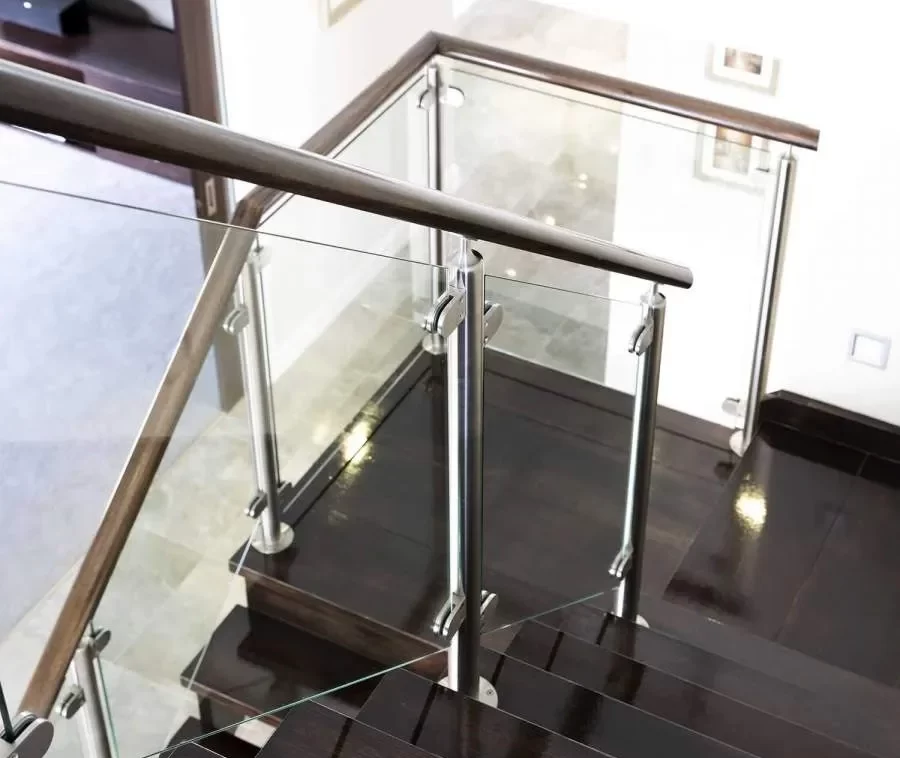
A glass stair handrail is usually a stainless (or aluminium) rail fixed to a glass balustrade — not glass you hold. The glass is the barrier; the metal rail is…
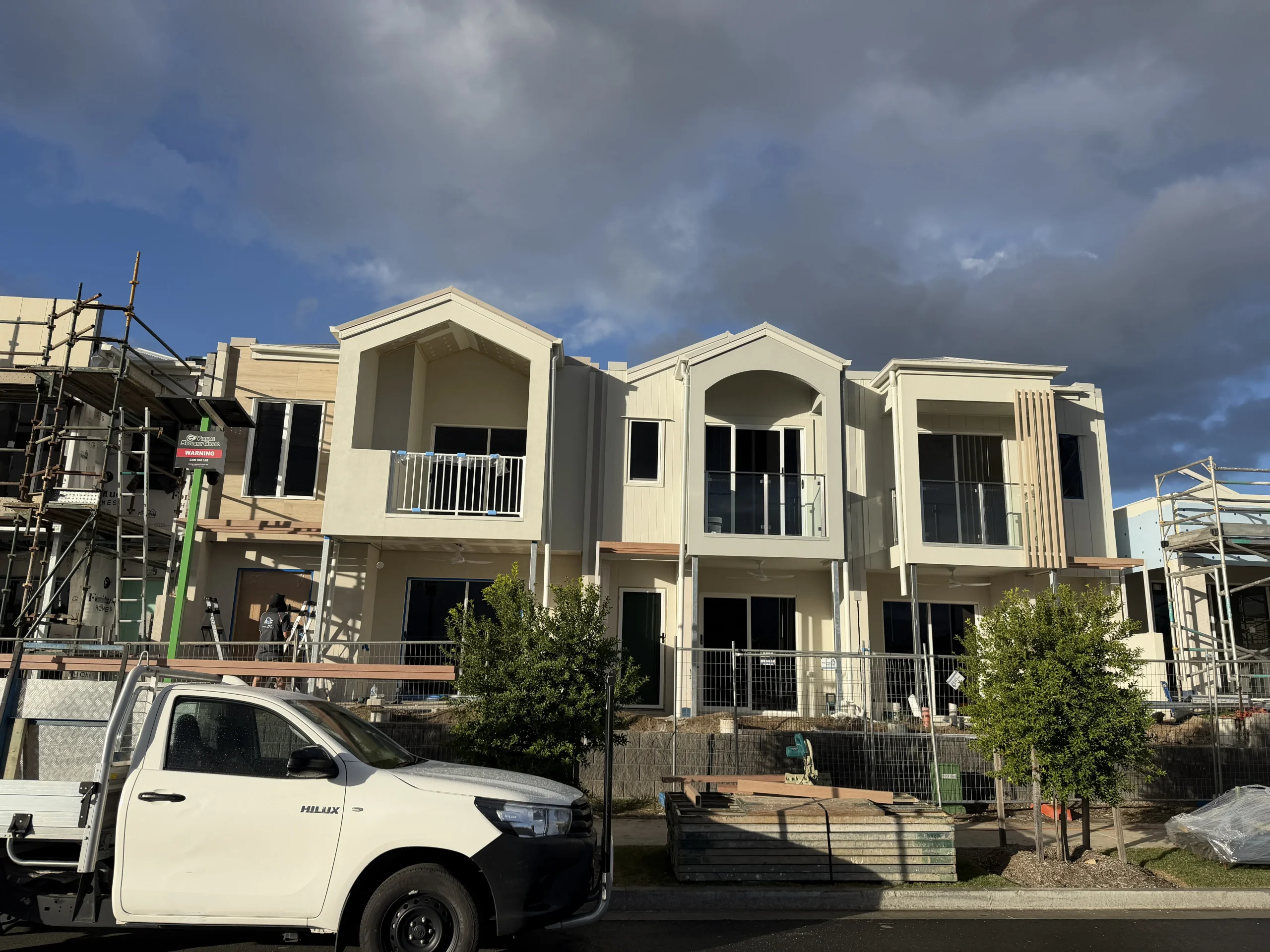
A balcony handrail in Brisbane needs to meet minimum height and load rules under the National Construction Code, resist coastal salt and UV, and suit how the balcony is used. Aluminium is the most cost-effective option, stainless steel offers the best look and longevity near the coast, and galvanised steel suits budget or industrial jobs. Expect a wide price range depending on material, length and design.
If your balcony handrail is rusting, rattling, or simply looks tired, you’re not alone. It’s one of the most common upgrade requests we get from homeowners across Brisbane, the Gold Coast and the Sunshine Coast — usually triggered by a failed safety inspection, a renovation, or a handrail that’s finally given up after years of coastal weather.
This guide is for homeowners planning a new balcony handrail or replacing an old one. We’ll walk through the material options, what Queensland compliance actually requires, realistic costs, and the maintenance that keeps a handrail looking good for years rather than months.
A balcony handrail isn’t just a design feature — it’s a safety barrier. It stops falls, gives people something to grip on stairs or uneven ground, and in many cases it’s required by law before a balcony can be occupied at all.
Handrails also take a beating. Brisbane’s humidity, Gold Coast’s salt air, and Sunshine Coast storms all accelerate corrosion and wear on lower-quality materials. A handrail that looks fine in the showroom can start pitting or loosening within a couple of years if it’s the wrong spec for a coastal or exposed site.
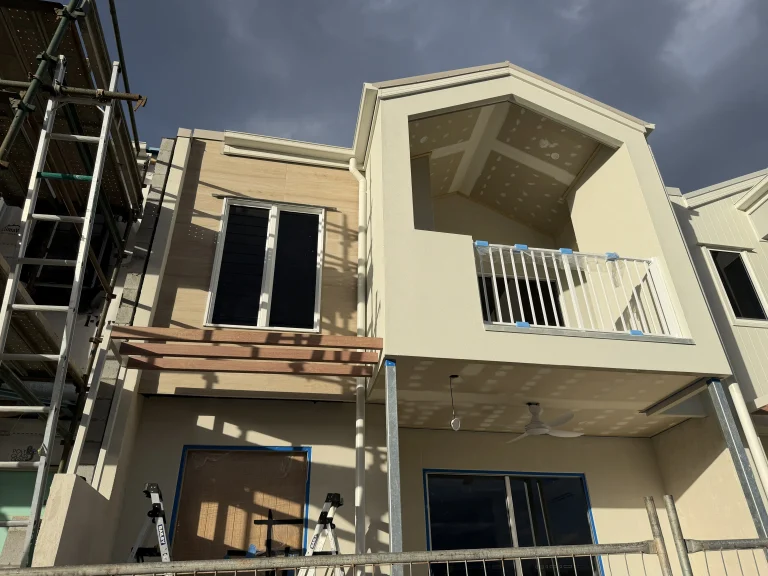
There’s no single “best” material — it depends on budget, location, and how much maintenance you’re willing to do.
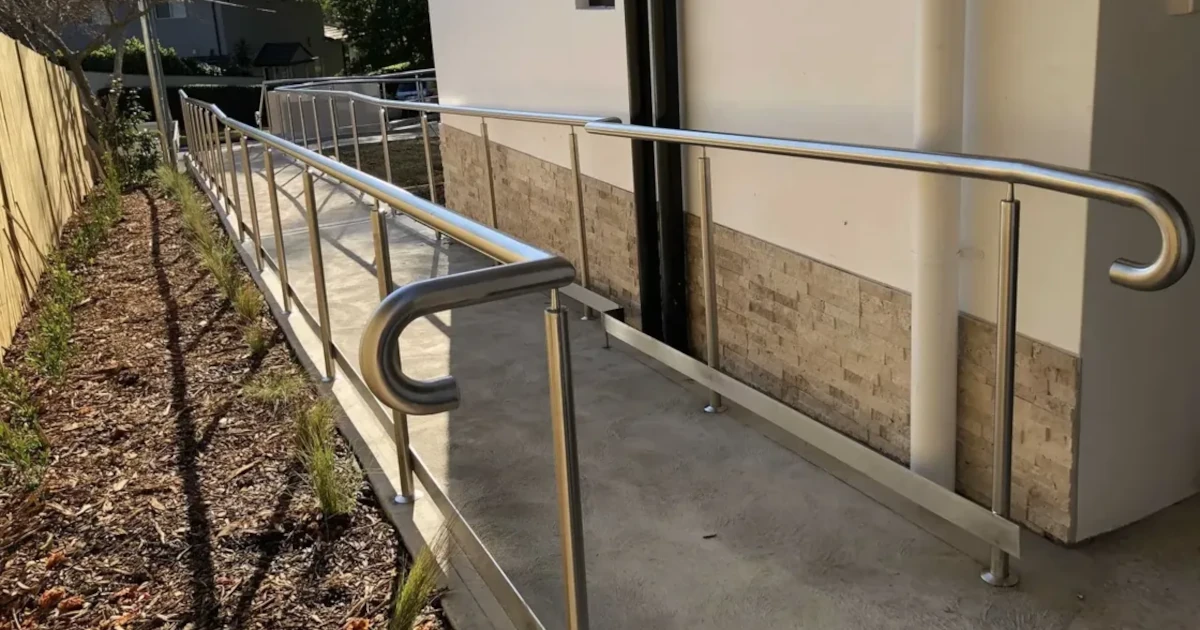
Stainless steel is the premium option. It has a clean, modern look and, when properly graded (marine-grade 316 is worth asking about near the coast), it holds up well against salt air. It’s more expensive upfront and needs occasional cleaning to prevent surface staining called “tea staining,” which is common even on good-quality stainless near the ocean.
Aluminium is naturally corrosion-resistant, lightweight, and generally the most budget-friendly option for balcony applications. Powder-coated aluminium comes in a wide range of colours and holds paint well, though the coating can chip if knocked hard and will need re-coating eventually in harsh coastal exposure.
Galvanised steel is a solid, economical choice for balconies where appearance is less of a priority — think side balconies, rental properties, or industrial-style builds. It’s tougher than aluminium in terms of raw strength but can show surface rust over time if the galvanising is scratched or the site is highly exposed.
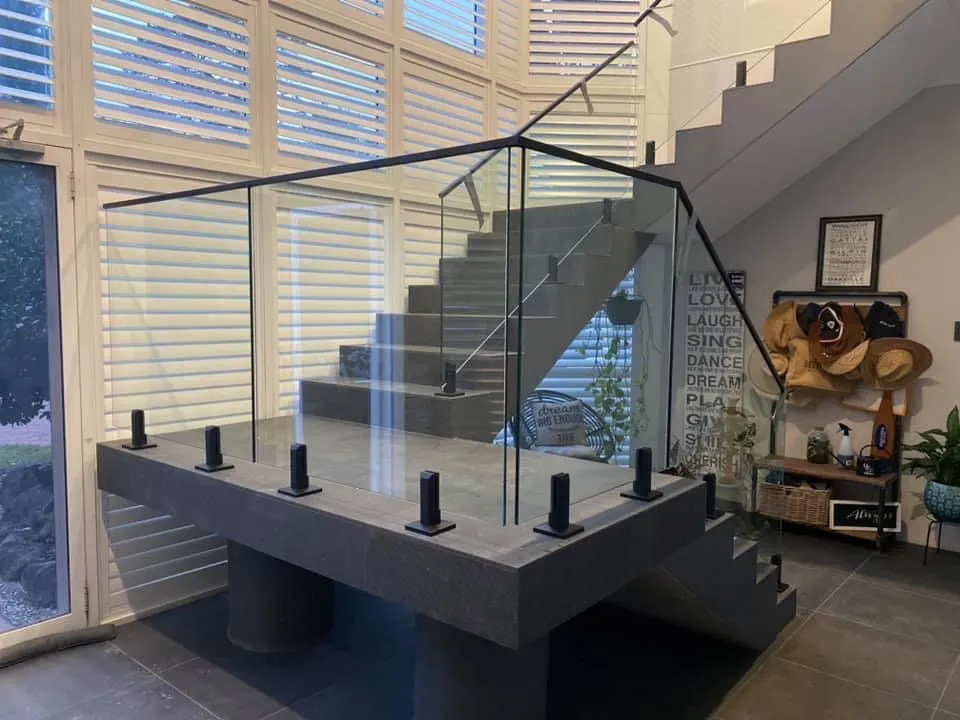
If your balcony sits alongside glass panels, it’s worth looking at handrail and balustrade options together, since the two are often fabricated and installed as one system.
Balcony barriers in Queensland are governed by the National Construction Code (NCC), which sets minimum heights and load requirements to stop falls, particularly where there’s a drop of one metre or more. Requirements also cover gaps in balustrades (to stop small children climbing or slipping through) and the strength the barrier needs to withstand.
These rules can be updated, and the right height, gap size and load rating can vary depending on your building classification, balcony height and local council conditions. Always confirm current requirements with a licensed installer or your building certifier before finalising a design — don’t rely on a blog post (including this one) as your final compliance check. You can review the current code directly via the Australian Building Codes Board.
For commercial buildings, stairs and walkways, fall prevention obligations are also covered under workplace health and safety guidance — see Safe Work Australia if you’re managing a commercial or multi-residential property.
A few common approaches we see across Brisbane homes:
If your balcony connects to internal stairs, it’s worth reviewing both areas together — our staircase balustrade page covers how glass and metal stair systems are approached, and the same compliance principles carry across to balcony handrails.
Every balcony is different, so pricing depends on several factors:
As a rough guide, glass pool fencing in Brisbane often sits around $350–$900 per lineal metre fully installed, depending on spec — balcony handrail pricing follows a similar logic, where material and design complexity move the number up or down. Treat any figure as an estimate only; a fixed price needs a proper site measure and design discussion.
Brisbane’s humidity, the Gold Coast and Sunshine Coast’s salt air, and the region’s storm season all put extra stress on outdoor metalwork. Left unmanaged, this shows up as:
Choosing the right grade of material for your specific location — and not just the cheapest option in the showroom — makes a real difference to how the handrail looks in five or ten years.
A little regular care goes a long way:
Before committing to a quote, it’s worth asking:
AMG Fabrication offers a free, obligation-free consultation and quote, so these questions can be answered against your actual balcony rather than a generic estimate.
How high does a balcony handrail need to be in Queensland?
Minimum heights are set by the National Construction Code and generally depend on the height of the fall involved. The exact figure for your project should be confirmed with a licensed installer or certifier, since requirements can be updated and vary by building type.
What’s the best material for a balcony handrail near the coast?
Marine-grade stainless steel or good-quality aluminium generally perform best in coastal conditions, provided they’re properly specified and maintained. Galvanised steel can also work but is more prone to surface corrosion if the coating is damaged.
Can I replace just the handrail without replacing the whole balustrade?
Often yes, if the existing balustrade structure is sound and compliant. A fabricator will need to check the fixing points and overall condition first.
How much does a balcony handrail cost in Brisbane?
Cost depends on material, length, access and design complexity. It’s best to get a site measure and written quote rather than relying on a general figure, since every balcony is different.
Do I need council approval for a new balcony handrail?
This depends on your property, the scope of works and local council requirements. Your fabricator or certifier can advise whether approval is needed for your specific project.
How often should a balcony handrail be inspected?
A general check every year or two is sensible, with closer attention after storms or if you notice movement, rust spots or coating damage.
Can a handrail be matched to my existing balustrade or pool fence?
Yes — most fabricators, including AMG, can match finishes and styles across a balustrade, pool fencing and handrail so the property looks consistent.
A balcony handrail has one job that matters more than any other: keeping people safe. Beyond that, the material, finish and design you choose will shape how much upkeep it needs and how it holds up against Queensland’s climate over the years.
AMG Fabrication has been designing, fabricating and installing custom balustrades, handrails and staircase balustrades across Brisbane, the Gold Coast and the Sunshine Coast for over 20 years, backed by a 3-year product warranty and transparent fees. If you’re weighing up materials or just want an honest quote for your balcony, get in touch for a free consultation and obligation-free quote.