Planning a custom metal fabrication project involves more than choosing a design and deciding what material to use. Measurements, structural requirements, site conditions and installation details all influence how the finished product will look and perform.
Whether you are a homeowner upgrading an outdoor area, a builder coordinating a construction project or a commercial property manager arranging new metalwork, preparing the right information before contacting a fabricator can save time and reduce unnecessary changes.
Custom metal fabrication allows products to be designed around specific dimensions, functional requirements and architectural preferences. However, getting the result right requires communication between the client, designer, fabricator and, where necessary, the builder or certifier.
In this guide, we explain how to prepare for a custom metal fabrication project, including what to measure, which materials to consider, how to approach the design and what to check before approving a quotation.
1. Define the Purpose and Scope of Your Metal Fabrication Project
Before discussing measurements or materials, establish exactly what you want the finished product to achieve.
A metal structure designed for appearance may have different requirements from one intended to provide fall protection, security or everyday support.
Start by identifying the type of work involved.
Common custom metal fabrication projects include:
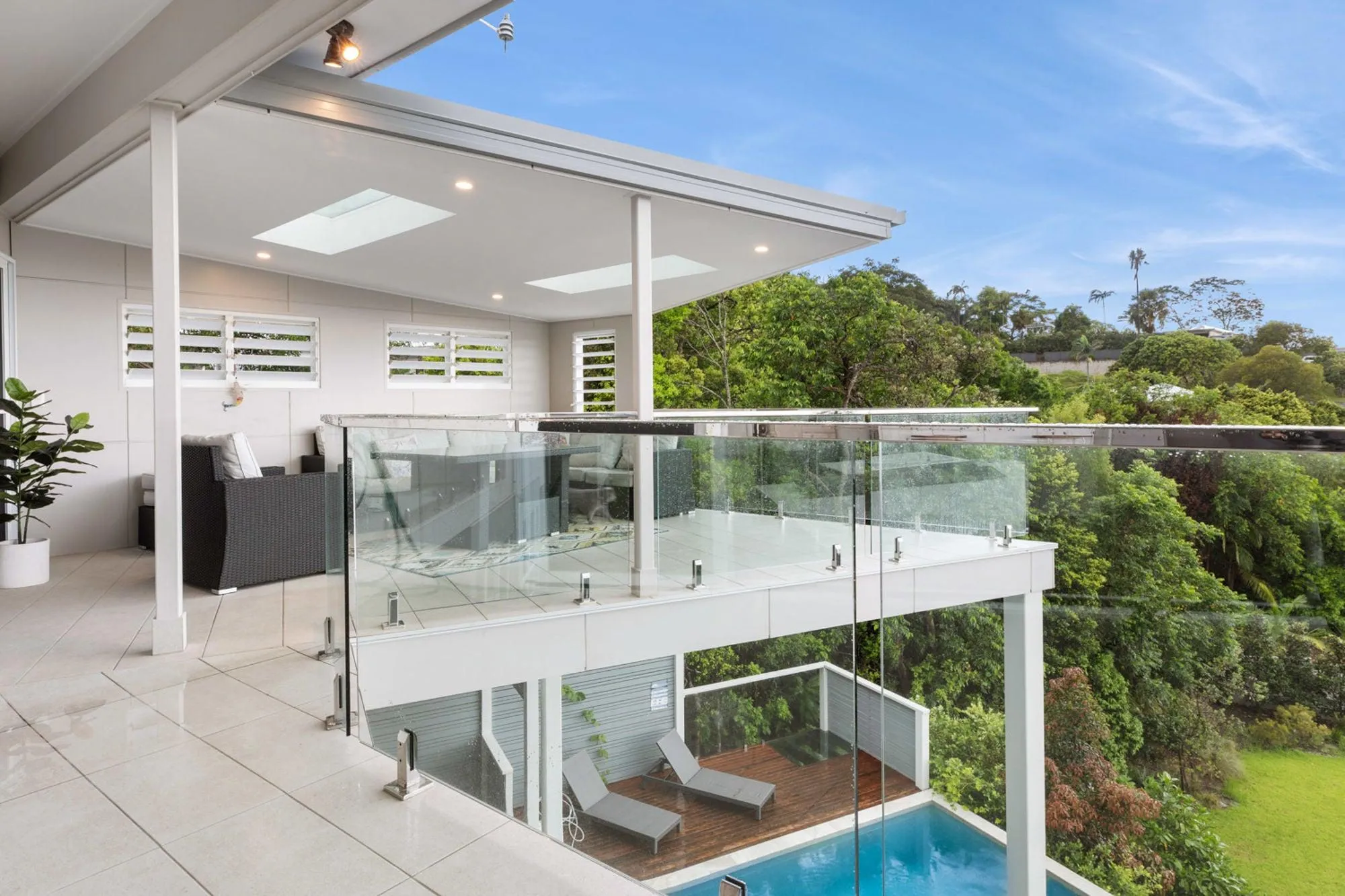
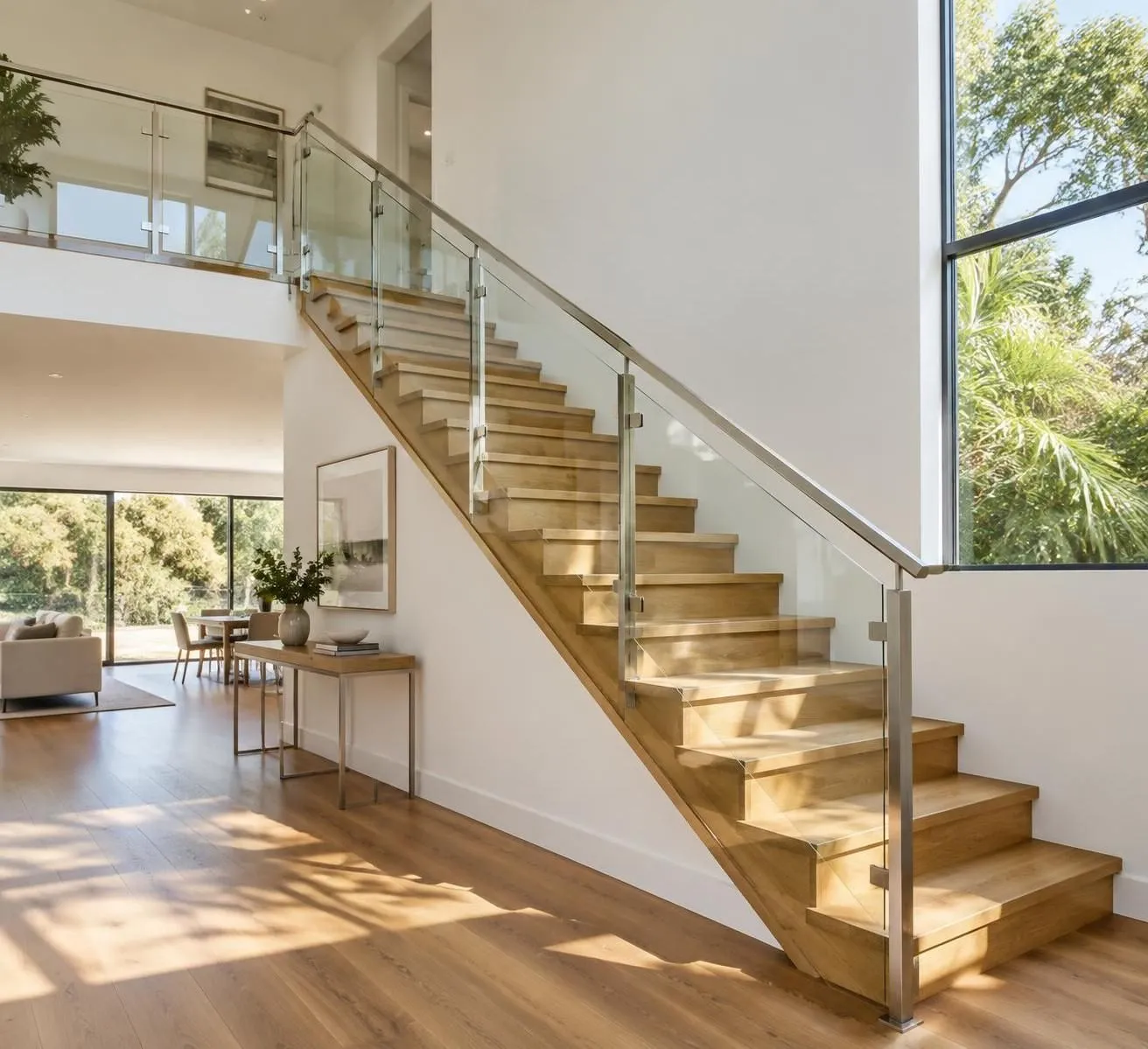
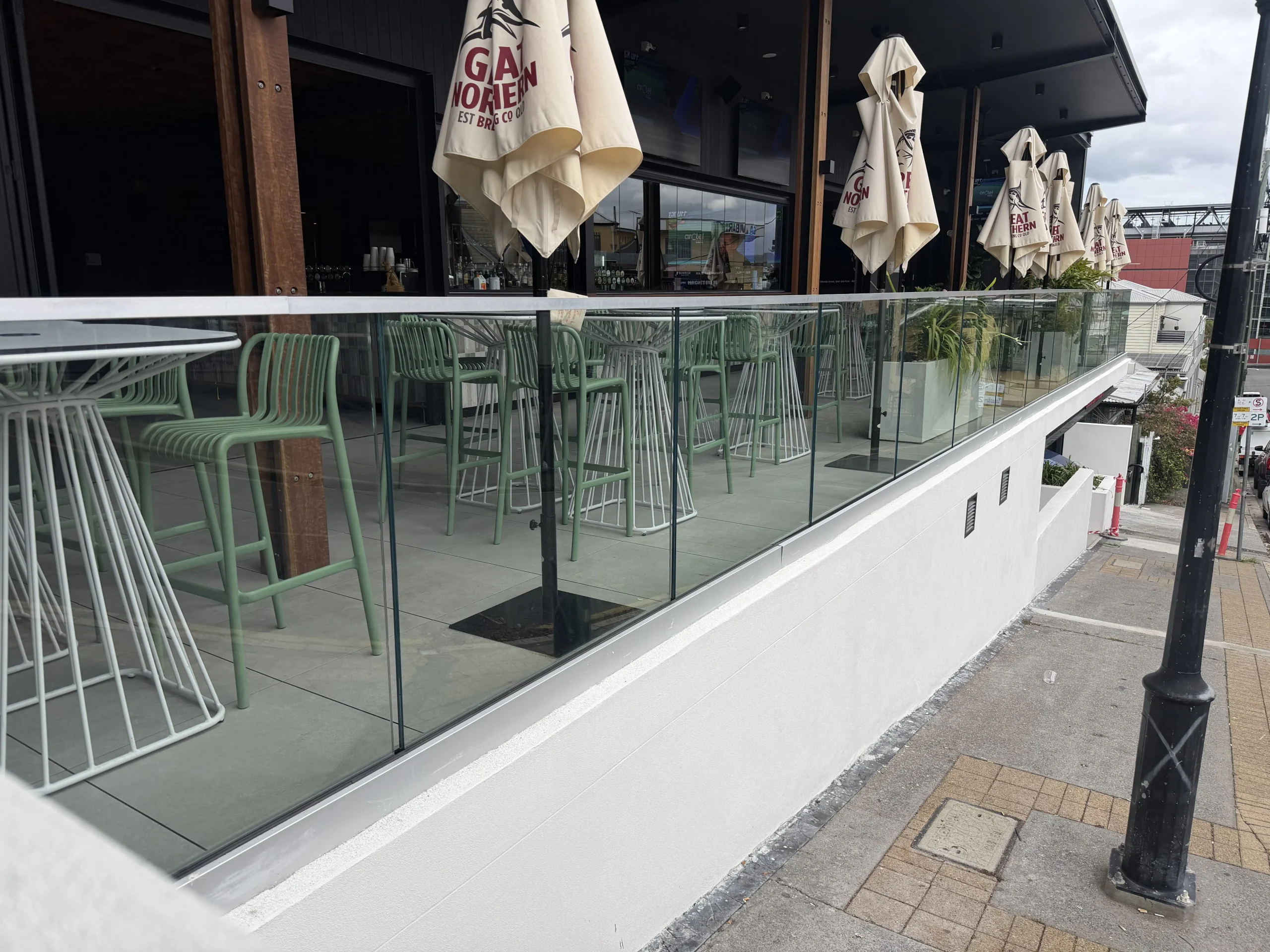
- Balustrades: Glass, aluminium or metal balustrades for balconies, decks and staircases.
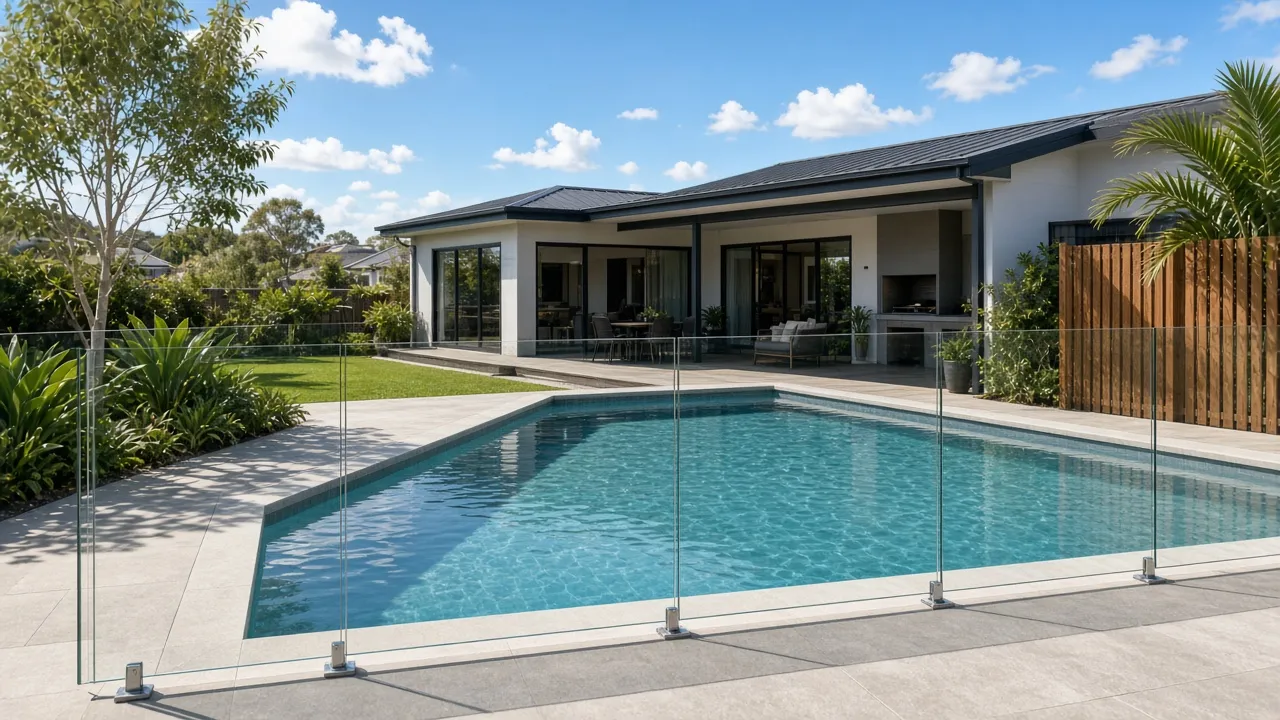
- Pool fencing: Frameless glass, semi-frameless glass or aluminium pool barriers.
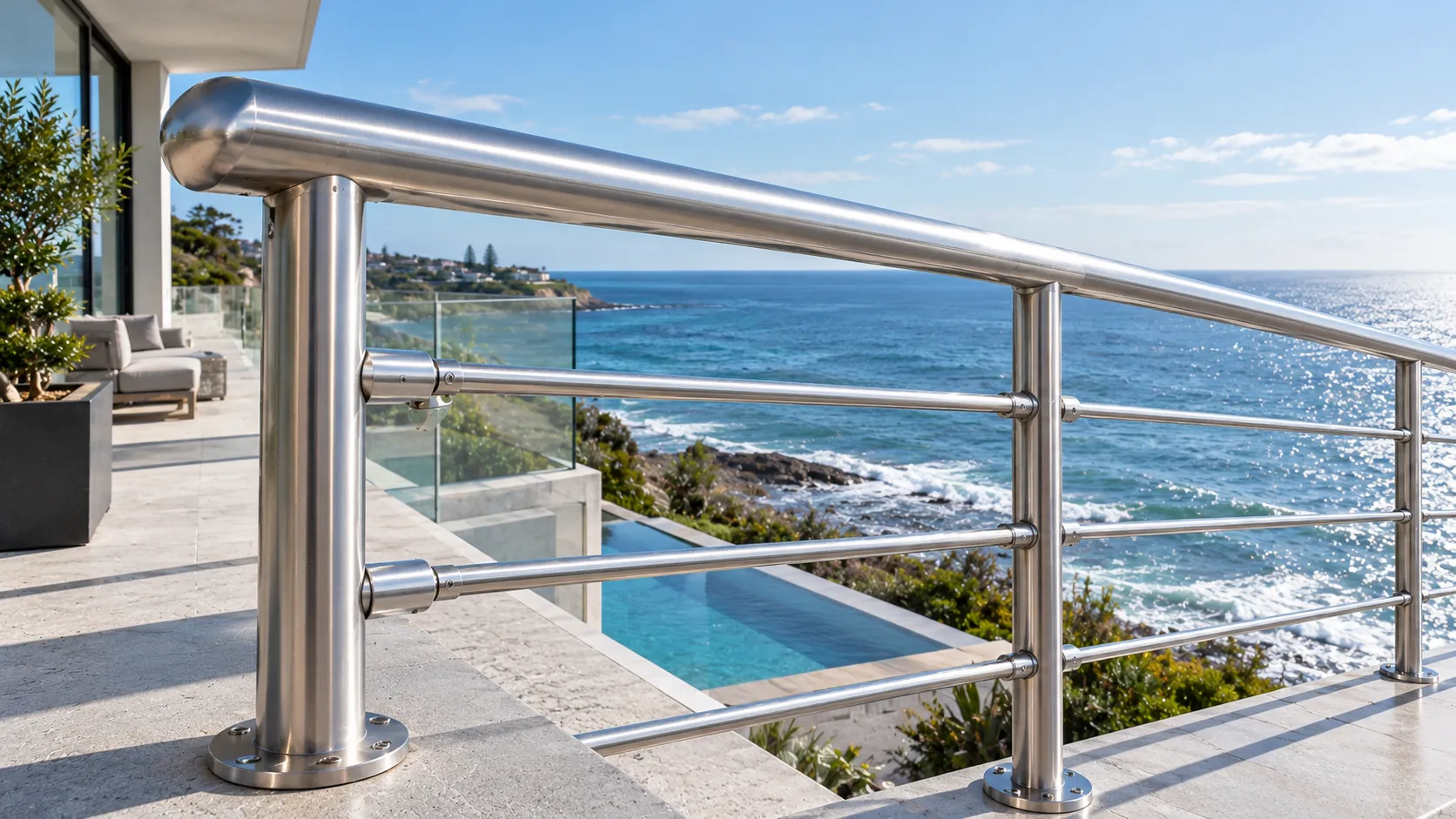
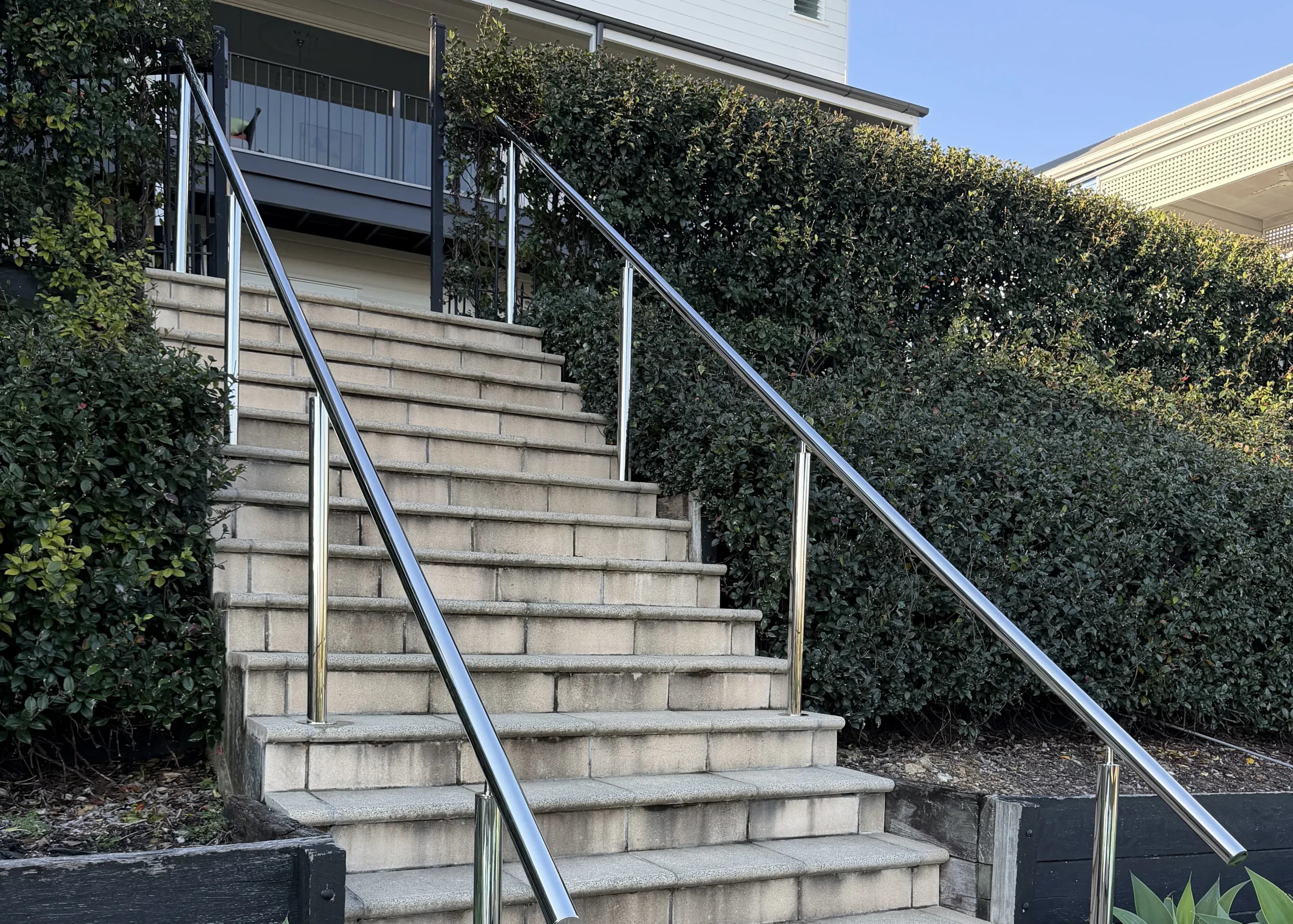
- Handrails: Stainless steel, aluminium or galvanised steel handrails for stairs and access areas.
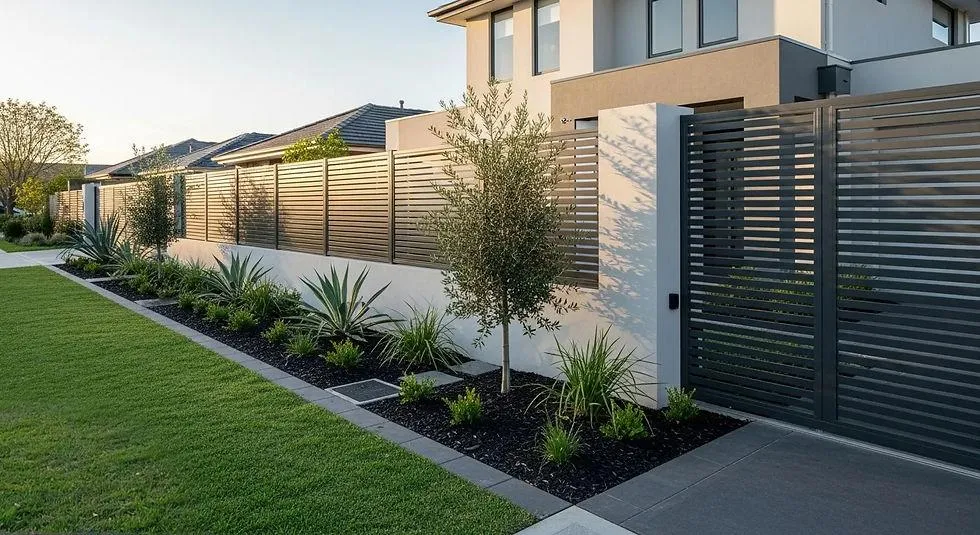
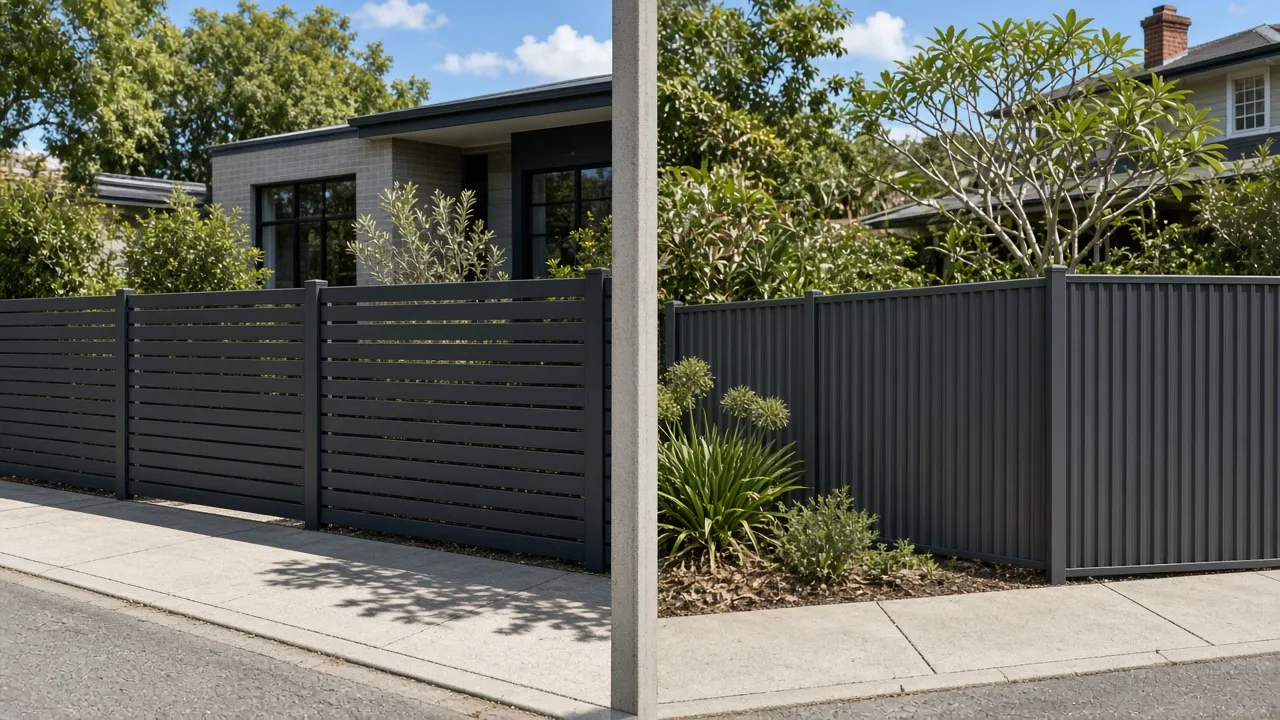
- Security fencing and gates: Custom boundary fencing, pedestrian gates and driveway gates.
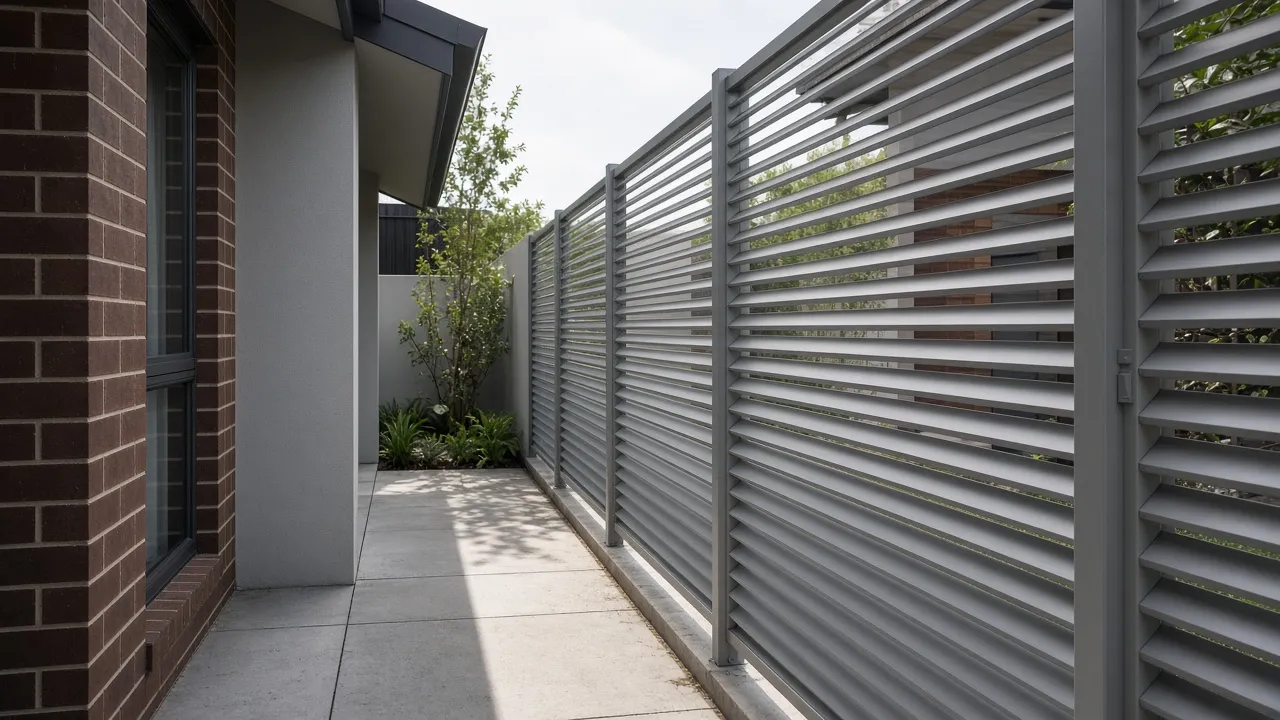
- Pergolas and louvres: Metal structures designed for outdoor shade and ventilation.
- Architectural metalwork: Specialised components designed to complement residential or commercial buildings.
Next, consider the practical requirements.
Ask yourself:
- What will the structure be used for?
- Will it be installed indoors or outdoors?
- Does it need to support people, resist impact or provide security?
- Will it be exposed to rain, sunlight or coastal conditions?
- Does it need to match existing architectural features?
- Are there building or safety requirements that must be addressed?
Having clear answers helps a fabricator recommend an appropriate design instead of working from appearance alone.
2. Take Accurate Measurements Before Requesting a Quote
Measurements are one of the most important parts of preparing a custom fabrication project.
Even a small difference between the actual site dimensions and the information provided can affect material quantities, connection points and installation requirements.
For an initial discussion, prepare the following information:
Overall dimensions
Record the approximate height, width and length of the proposed structure. For fencing and balustrades, measure the total lineal metres and note any changes in direction.
Installation height
For handrails and balustrades, identify the required installation height and the finished floor or stair level from which it will be measured.
Mounting surfaces
Determine whether the product will be fixed to concrete, brick, timber, steel or another surface. The mounting method can influence the design, brackets and fixing requirements.
Obstacles and access
Identify nearby doors, windows, drains, retaining walls, existing posts and other features that may affect installation.
Ground levels
For outdoor fencing and gates, note whether the ground is flat, sloping or uneven. Changes in ground level can influence panel dimensions, gate clearances and post positioning.
It is also helpful to take photographs from several angles.
For complex installations, approximate measurements should only be used for an initial discussion. A site inspection and final measurements should be completed before manufacturing begins.
This is particularly important for glass products, staircase balustrades and custom-fitted components where dimensional accuracy is critical.
3. Choose the Right Material for Your Project
Material selection affects appearance, strength, maintenance, fabrication requirements and long-term performance.
The best option depends on the intended use, installation environment and budget.
Aluminium
Aluminium is widely used for outdoor architectural products because it is relatively lightweight and can be finished in different powder-coated colours.
It is commonly considered for:
- Aluminium balustrades.
- Pool fencing.
- Security fencing and gates.
- Privacy screens.
- Louvres and outdoor structures.
Powder-coated aluminium can provide a consistent architectural finish. However, the coating specification and preparation should suit the property’s exposure, particularly in coastal Queensland.
Stainless steel
Stainless steel is commonly used for handrails, architectural details, brackets and selected structural components.
Its appearance makes it suitable for contemporary residential and commercial designs.
Different stainless steel grades have different corrosion resistance characteristics. The correct grade and finish should be selected according to the environment, particularly for installations exposed to airborne salt.
Galvanised steel
Galvanised steel is another option for outdoor metalwork where a protective zinc coating is appropriate.
It can be suitable for selected structural components, security fencing and handrail applications.
The design should account for the coating, fabrication process, drainage and any areas that may need protection after cutting or modification.
Glass
Toughened and laminated glass can be used for balustrades and pool fencing, depending on the application and applicable requirements.
The main design choices include:
- Frameless glass for a more open appearance.
- Semi-frameless glass with supporting posts.
- Glass with suitable metal posts and fixings.
Glass provides visibility and an open architectural finish, but it requires appropriate specification, accurate measurements and regular cleaning.
Timber louvres
Timber louvres may be suitable when a project calls for a warmer, natural appearance.
Unlike aluminium, timber generally requires more attention to protective coatings and ongoing maintenance.
The material should be selected according to the design, exposure and expected maintenance requirements.
4. Prepare Your Design and Decide on the Finish
Once the purpose, measurements and materials are understood, the next step is to establish the design.
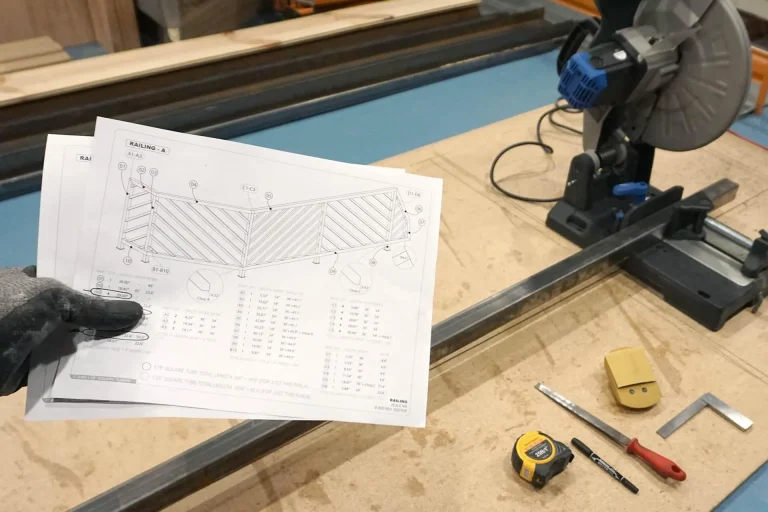
You do not need a complete engineering drawing before contacting a fabricator. A reference photograph, rough sketch or architectural plan can provide a useful starting point.
However, the design should communicate more than the general appearance.
Consider these details:
- Overall dimensions and intended height.
- Material and profile selection.
- Colour and surface finish.
- Position of posts, brackets and connection points.
- Gate openings and access requirements.
- Glass panel arrangement, where applicable.
- How the product will connect to existing structures.
Think about the surrounding architecture as well.
For example, a powder-coated aluminium balustrade may suit a modern outdoor entertaining area, while stainless steel handrails may be preferred for a staircase with a more contemporary finish.
If your project involves a balcony, deck or elevated area, explore AMG Fabrication’s custom balustrade options.
For outdoor areas requiring a pool barrier, the pool fencing options should be considered separately because pool safety requirements influence the design.
The objective is to settle the main design decisions before fabrication starts, rather than making substantial changes after materials have been ordered.
5. Consider Queensland Conditions and Compliance Requirements
A custom metal product must be suitable for the environment in which it will be installed.
In Brisbane, the Gold Coast and the Sunshine Coast, outdoor structures may experience strong UV exposure, heat, humidity, heavy rain and coastal salt.
These conditions should influence material and finish selection.
Coastal exposure
Properties close to the coast may require additional consideration when selecting metal grades, coatings and fixings.
Stainless steel is available in different grades, and not every grade is equally suitable for marine or coastal exposure.
Similarly, powder-coated aluminium requires an appropriate coating system and regular cleaning to help maintain its finish.
Rain and drainage
Poor drainage can allow water to collect around posts, base plates and connections.
Discuss how the design will manage water exposure, particularly for outdoor structures installed on concrete slabs, balconies or retaining walls.
Structural and building requirements
The required structural performance depends on the product and its intended use.
Balustrades, staircases, handrails, pool fencing and commercial installations can have specific safety and compliance requirements.
The National Construction Code provides the national framework for building requirements. In Queensland, the applicable NCC edition and state variations must be checked for the project.
For residential and commercial building work, the Queensland Building and Construction Commission’s approval and certification guidance is a useful reference.
Where welding or fabrication work is undertaken in a workplace, appropriate risk controls are also necessary. Safe Work Australia’s welding processes guidance explains relevant workplace hazards and controls.
Requirements depend on the application and can change. Confirm applicable standards, approvals and certification requirements with a licensed building certifier or suitably qualified professional before proceeding.
6. Understand What Affects the Cost of Custom Metal Fabrication

There is no single price for custom metal fabrication because each project has different dimensions, materials, design requirements and installation conditions.
A simple handrail and a custom glass balustrade may have very different fabrication processes, material costs and installation requirements.
The main cost factors include:
- Material selection: Aluminium, stainless steel, galvanised steel and glass have different supply and processing costs.
- Project dimensions: Larger structures generally require more materials and fabrication time.
- Design complexity: Curves, unusual angles, custom connections and specialised finishes can increase manufacturing requirements.
- Site access: Difficult access, elevated installation areas and restricted working spaces may affect labour and installation planning.
- Preparation work: Existing structures may require removal, repairs or modifications before installation.
- Fixings and foundations: The mounting method, posts, brackets and foundations must suit the structure and site conditions.
- Finishing requirements: Powder coating, polishing and other surface treatments can influence the overall quotation.
When comparing quotations, check that each one includes the same material specification, dimensions, finish, installation scope and any required additional work.
A clear quotation should explain what is included and identify any assumptions that could affect the final cost.
7. Understand the Fabrication and Installation Process
Knowing what happens after you approve a design helps you plan around the project.
A typical custom metal fabrication project follows several stages.
- Initial consultation: Discuss the purpose, design preferences, approximate dimensions and project requirements.
- Site inspection and measurement: Confirm the installation area, access conditions and relevant dimensions.
- Material and design confirmation: Agree on the materials, finish, layout and installation approach.
- Quotation and approval: Review the scope, inclusions, pricing and expected timeframe.
- Manufacturing: The product is fabricated to the agreed specifications.
- Finishing and preparation: Components receive the specified finish and are prepared for installation.
- Installation: The fabricated product is installed and checked against the agreed requirements.
For custom projects, keeping design, measurement, fabrication and installation coordinated can help reduce communication gaps.
If you are organising a larger building project, discuss the expected installation timeframe with your fabricator early. This is especially important when metalwork needs to be coordinated with concrete, tiling, painting or other trades.
AMG Fabrication provides custom design, manufacture and installation for residential and commercial projects across South East Queensland.
8. Common Mistakes to Avoid Before Starting
A little preparation can prevent several common problems.
Providing approximate measurements as final dimensions. Initial measurements are useful for quoting, but final site dimensions should be confirmed before manufacturing.
Choosing materials based only on appearance. A material that looks suitable may not be appropriate for the property’s exposure or intended use.
Ignoring installation conditions. Existing walls, concrete thickness, drainage and access can all affect the finished product.
Changing the design after approval. Changes to dimensions, profiles or materials may require new drawings, additional materials or revised costs.
Overlooking compliance. Safety requirements should be considered during design rather than after manufacturing.
Comparing quotations without checking inclusions. Two quotes may appear similar but include different finishes, fixings, preparation or installation work.
Not discussing maintenance. Understand how the product should be cleaned and inspected before choosing a finish.
9. Questions to Ask Your Metal Fabricator Before Approving a Project
Before committing to a custom fabrication project, ask your fabricator:
- Which material is most suitable for my intended application?
- Will the proposed design meet the relevant structural and safety requirements?
- Who is responsible for confirming final measurements?
- What preparation is required at the installation site?
- Are all fixings, brackets and finishing included in the quotation?
- What is the expected manufacturing and installation timeframe?
- How should the finished product be maintained?
- What product warranty and defect rectification arrangements apply?
- Who should I contact if changes are needed during the project?
Clear answers help you understand the scope and avoid assumptions before work begins.
If your project also involves staircase access or supporting handrails, explore AMG Fabrication’s custom handrail solutions.
Frequently Asked Questions
1. What information do I need before requesting a metal fabrication quote?
Prepare the approximate dimensions, photographs of the installation area, intended use, preferred materials and any design references. For more complex projects, architectural drawings and site measurements can also help.
2. Which metal is best for outdoor fabrication in Queensland?
There is no single material suitable for every application. Aluminium, stainless steel and galvanised steel all have different characteristics. The choice depends on structural requirements, coastal exposure, finish and maintenance expectations.
3. How accurate do measurements need to be?
Initial measurements can be approximate for a preliminary discussion. However, final dimensions must be confirmed before fabrication, especially for glass panels, balustrades and products fitted to existing structures.
4. Can a metal fabricator work from my own design?
A fabricator can generally use sketches, photographs or architectural drawings as a starting point. The design should then be reviewed for material suitability, manufacturing requirements, installation details and applicable compliance obligations.
5. How long does a custom metal fabrication project take?
The timeframe depends on design complexity, material availability, finishing requirements, manufacturing workload and site access. Ask for an estimated schedule during the quotation stage.
6. Does custom metalwork require building approval in Queensland?
Some projects require building approval or other assessments, while others may fall within accepted development provisions. Requirements depend on the structure, location and intended use. A building certifier can confirm the applicable requirements.
7. What maintenance does custom metalwork need?
Maintenance depends on the material and finish. Aluminium and glass generally benefit from routine cleaning, while stainless steel and galvanised steel should be inspected for surface contamination or damage. Fixings and connections should also be checked periodically.
Conclusion: Prepare Properly for a Better Fabrication Result
A successful custom metal fabrication project starts with clear requirements, accurate measurements and the right material selection. Taking time to discuss design, site conditions, compliance and installation before manufacturing begins can help avoid unnecessary changes and deliver a result suited to your property.
Whether you are planning a new balustrade, handrail, pool fence, staircase or architectural metal structure, choosing an experienced fabricator is an important part of the process.
AMG Fabrication provides custom metal and glass fabrication, design, manufacture and installation for residential and commercial clients across Brisbane, the Gold Coast and the Sunshine Coast. With founder Sam bringing more than 20 years of welding experience, the team can discuss your requirements and suitable fabrication options.
Contact AMG Fabrication for a free consultation and obligation-free quote.