Stair balustrades and handrails need to do more than look good. They should suit the staircase, provide appropriate protection and support, withstand Queensland conditions and be installed with the relevant building and safety requirements in mind. Glass, aluminium, stainless steel and other materials each have different benefits, maintenance needs and costs.
Choosing stair balustrades and handrails in Brisbane is easier when you understand how the materials, design, installation and safety requirements work together.
Whether you are renovating a home, building a new property or upgrading stairs in a commercial space, the right balustrade can change the appearance of the staircase while a properly designed handrail provides practical support.
This guide covers the main options, material choices, compliance considerations, cost factors and maintenance requirements, so you can have a more informed conversation with your fabricator before ordering.
What is the difference between a balustrade and a handrail?
Although the terms are sometimes used interchangeably, a balustrade and a handrail perform different functions.
A balustrade is the protective barrier installed along the open side of a staircase, landing, balcony or similar area. Its purpose is to help prevent people from falling from the edge.
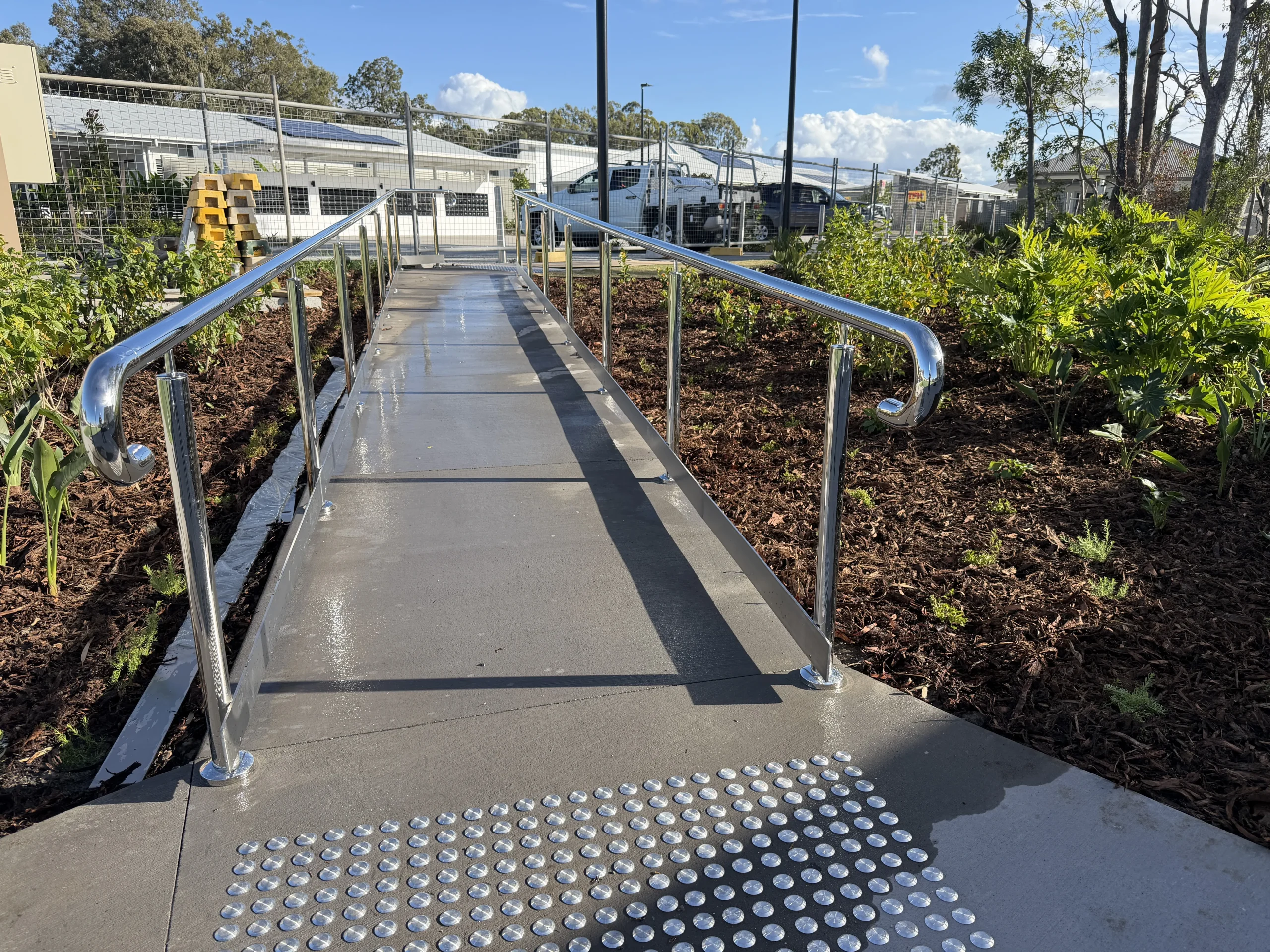
A handrail is designed to provide something to hold while using the stairs or a walkway. Depending on the staircase and building, a handrail may form part of a balustrade or be installed separately.
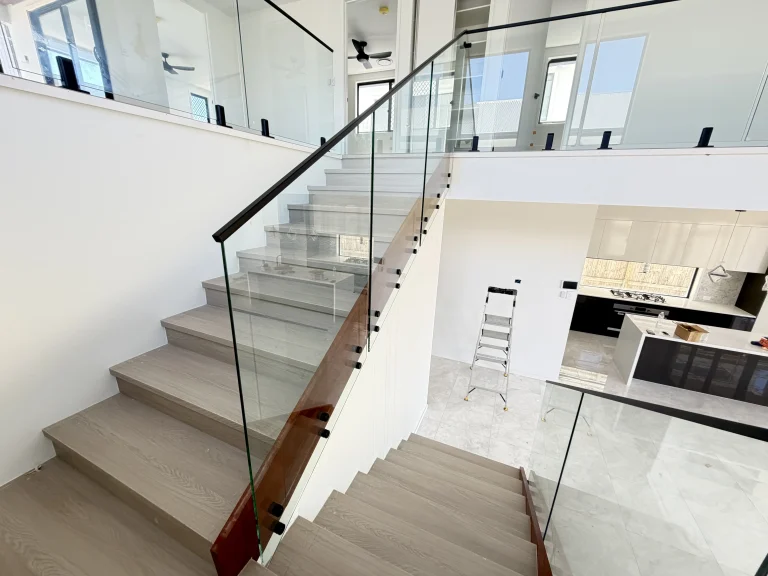
For a residential staircase, for example, you may have a glass or aluminium balustrade with a separate stainless steel or aluminium handrail.
For commercial properties, the design may need to account for higher traffic, accessibility and the specific requirements applicable to the building.
For a project involving both elements, it is worth treating the balustrade and handrail as one coordinated system rather than choosing them separately.
AMG Fabrication provides custom staircase balustrade fabrication and installation for residential and commercial projects.
Stair balustrade options for Brisbane homes and buildings
There is no single material that suits every staircase. The best choice depends on the look you want, the surrounding architecture, maintenance expectations, budget and installation conditions.
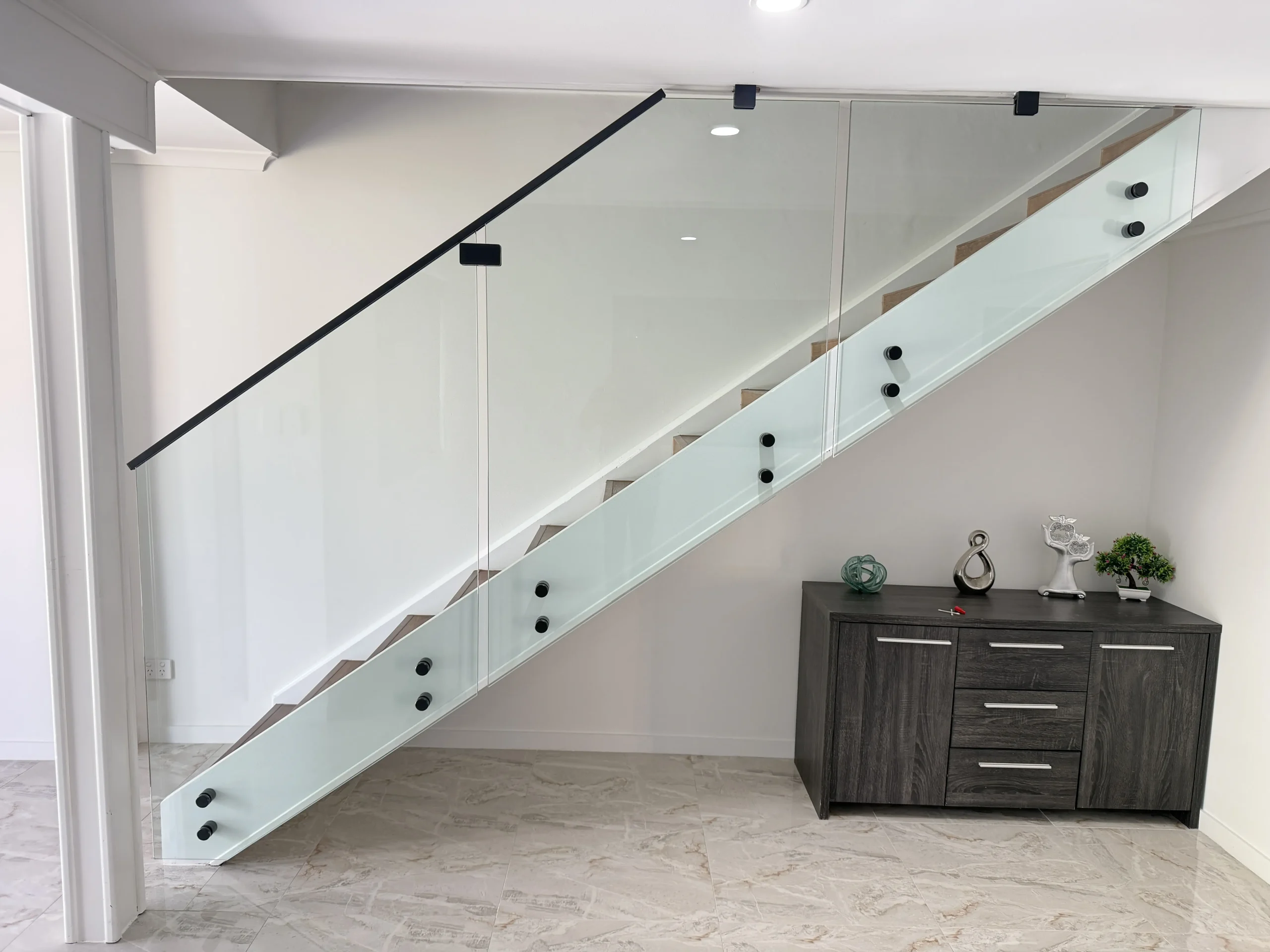
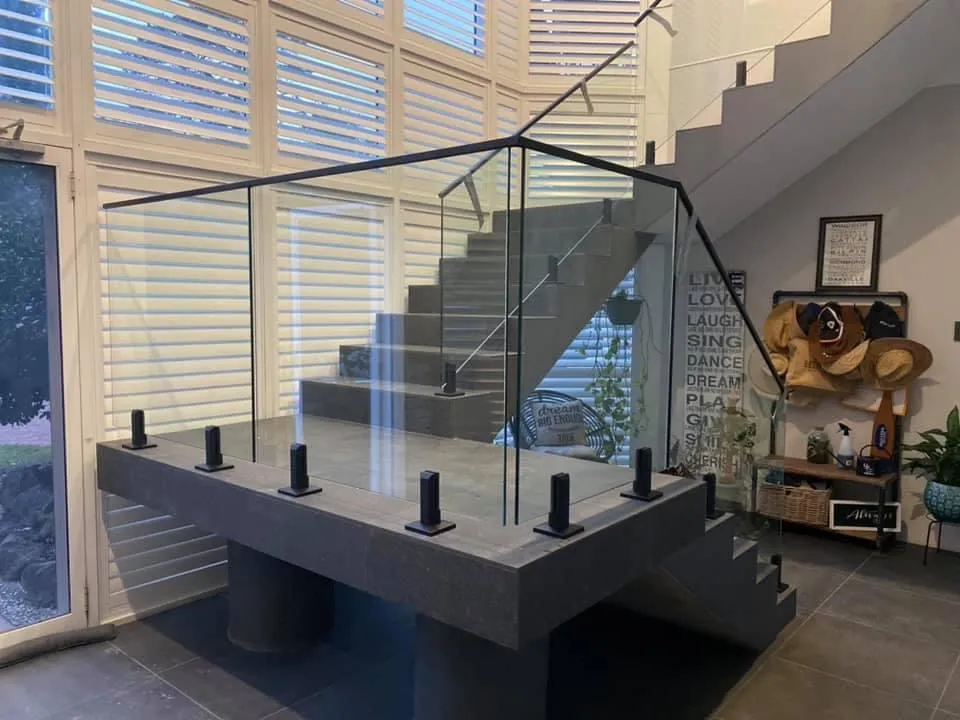
Frameless and semi-frameless glass

Glass is popular where the goal is to keep a staircase visually open.
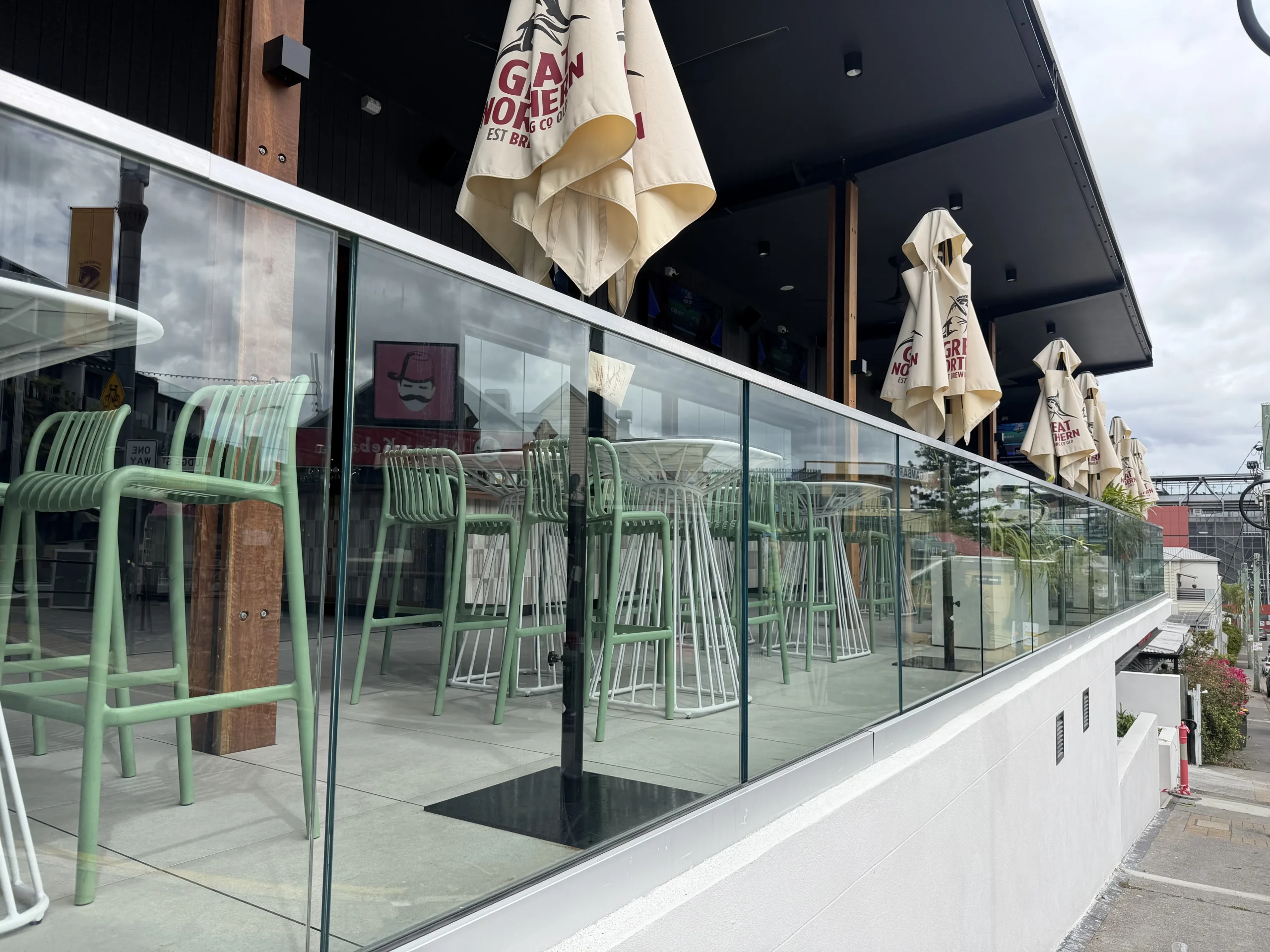
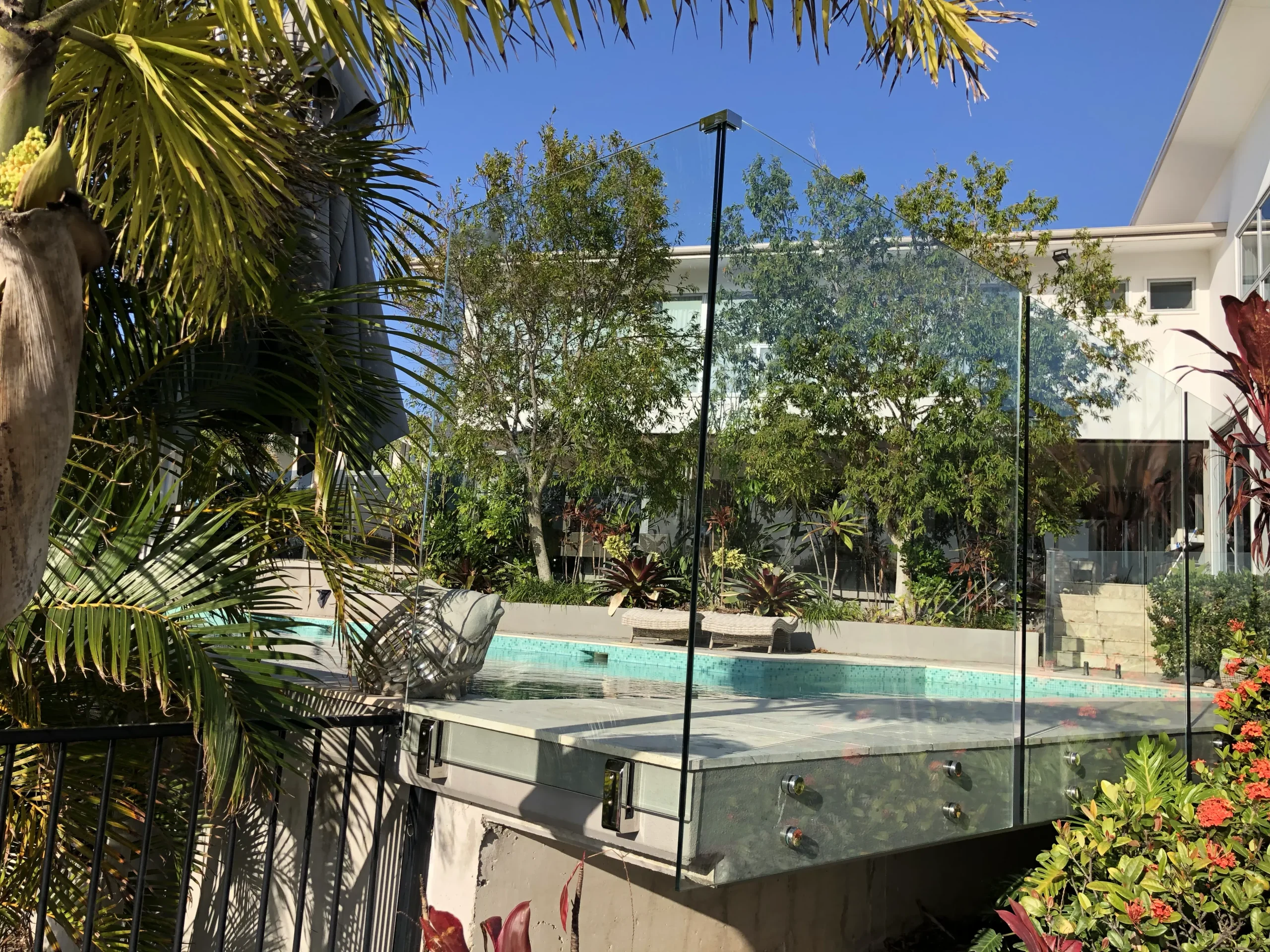
A frameless glass balustrade can provide a clean appearance with minimal visible structure, while a semi-frameless design introduces posts or other supporting elements.
Glass can work particularly well in contemporary homes where you want natural light and sightlines to continue through the staircase.
The trade-off is that glass requires regular cleaning, particularly in homes with children or pets. The fixing system and installation details also need to be suitable for the application.
Aluminium tubular balustrades
Aluminium is a practical option when you want a relatively lightweight metal system with a straightforward appearance.
Tubular aluminium can suit both modern and more traditional residential designs. Powder-coated finishes also provide flexibility when coordinating the balustrade with other elements of the home.
For Brisbane and coastal Queensland properties, material selection and finish are important because outdoor areas can be exposed to strong sunlight, humidity and salt air.
Stainless steel

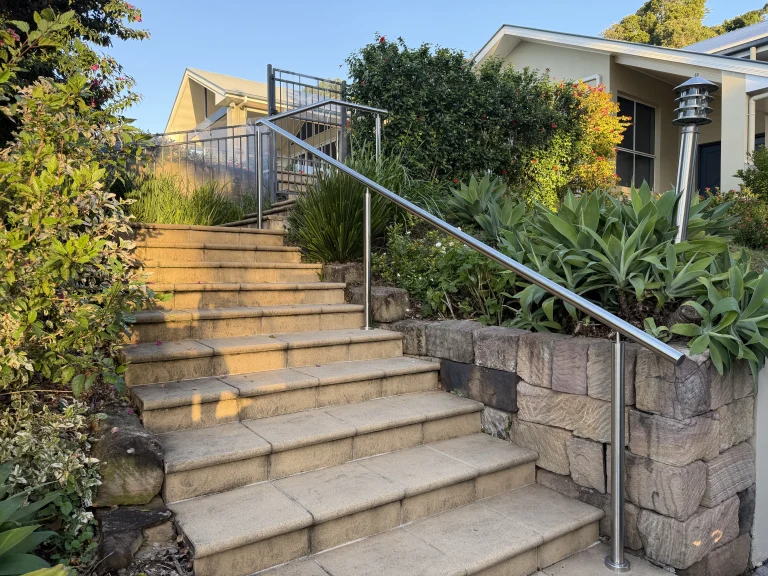
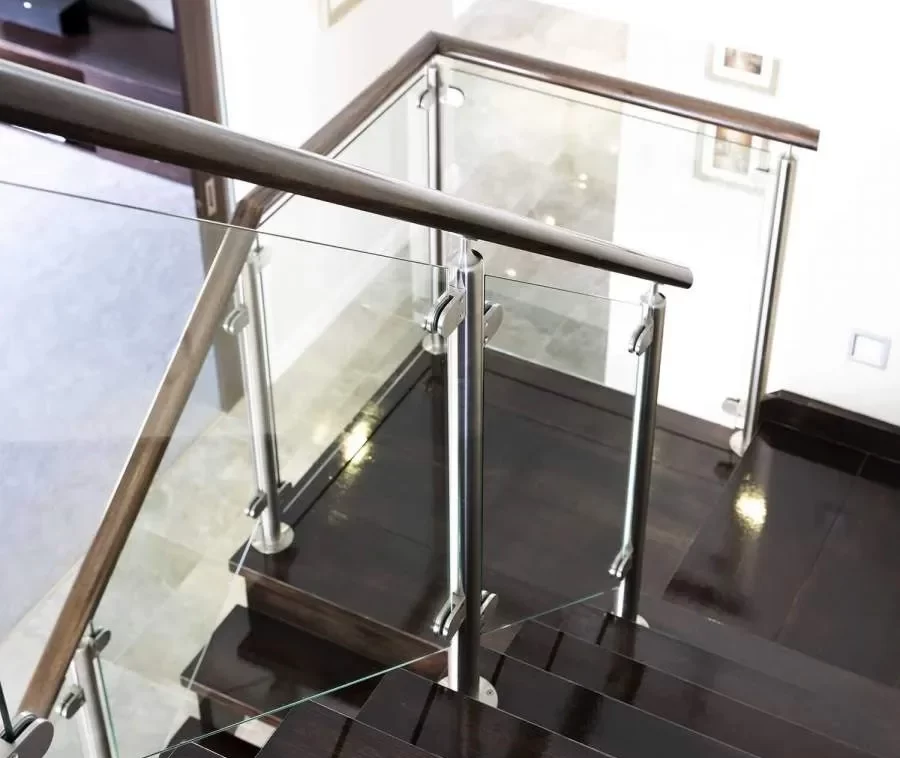
Stainless steel is commonly used for handrails and can also form part of a balustrade system.
It provides a clean metal appearance and works well with glass, particularly where a homeowner wants a modern staircase without relying entirely on glass components.
Stainless steel still requires appropriate cleaning and care, particularly in coastal areas where airborne salt can contribute to surface contamination.
Metal staircase balustrades
Metal balustrades can be designed around the existing staircase and surrounding architecture.
They can be useful when the project requires a stronger visual feature, a more traditional metal appearance or a combination of materials.
For custom work, the advantage is that the fabricator can consider the staircase, fixing points, dimensions and surrounding finishes together rather than relying on a generic off-the-shelf system.
Glass vs aluminium vs stainless steel: which suits your staircase?
Rather than choosing a material based only on appearance, think about how you use the staircase, where it is located and how much maintenance you are comfortable with.
Choose glass for an open, modern look
Glass stair balustrades are a popular option for contemporary homes because they allow light and sightlines to pass through the staircase.
A frameless system can create a particularly clean appearance, while semi-frameless glass introduces posts or other supporting elements for a slightly more structured look.
Glass can work well when the staircase is a feature of the home and you want the surrounding space to remain visually open. The main consideration is maintenance, as fingerprints, dust and water marks can be more noticeable on glass.
Choose aluminium for versatility and practicality
Aluminium can be a practical choice for homeowners looking for a durable metal balustrade with a range of design and finish options.
Tubular aluminium can suit modern and traditional properties, and powder-coated finishes can help coordinate the balustrade with other elements such as fencing, gates or exterior features.
For outdoor staircases, the local environment should be considered carefully. Brisbane’s heat, UV exposure, rain and humidity, as well as coastal conditions around the Gold Coast and Sunshine Coast, can all influence the choice of finish and maintenance requirements.
Choose stainless steel for a clean metal finish
Stainless steel is commonly used for handrails and can also be incorporated into glass balustrade systems.
It suits projects where you want a clean, contemporary metal appearance and can work particularly well alongside glass.
Like any exposed metal, stainless steel should still be cleaned and maintained appropriately. This is especially important for properties in coastal areas where salt in the air can settle on surfaces.
Think about the whole staircase, not just the material
The best material for your staircase depends on more than the look of the balustrade.
Consider:
- whether the staircase is internal or external
- how much natural light you want to retain
- exposure to rain, UV and coastal salt
- the amount of cleaning you are prepared to do
- the existing staircase structure and fixing points
- whether the property is residential or commercial
- how the handrail will work with the balustrade
- the overall design of the surrounding space
If you are unsure which option suits your staircase, an on-site measure can help identify practical constraints before fabrication begins. A custom system can then be designed around the existing structure rather than forcing a standard solution to fit.
What should you consider before choosing a stair balustrade?
Before selecting a material, look at the staircase as a complete space.
1. Indoor or outdoor location
An internal staircase has different environmental demands from an external staircase.
Outdoor stairs in Brisbane, the Gold Coast and Sunshine Coast can be exposed to UV, rain, humidity and, in coastal locations, salt.
A material that works well indoors may require a different finish or maintenance routine outdoors.
2. Existing staircase structure
The fixing points matter.
A new staircase can be designed with the balustrade in mind from the beginning. A renovation may require the fabricator to work around an existing structure, flooring, walls and stair nosings.
An on-site measure can identify these constraints before fabrication begins.
3. Visibility and natural light
If the staircase is located in a relatively dark area, glass can help maintain an open visual connection between spaces.
If privacy or a stronger visual boundary is more important, a metal balustrade may provide a better fit.
4. Children and pets
Think about how the staircase is actually used.
A balustrade should not simply be selected for appearance. Gaps, climbable elements, handrail position and the overall design need to be considered with the users of the property in mind.
5. Cleaning and maintenance
A low-maintenance material on paper may still require regular cleaning depending on its location.
Glass shows fingerprints, dust and water marks more readily than some metal finishes. Metal systems can require attention around joins, fixings and exposed surfaces.
Stair balustrade safety and Queensland compliance
Safety requirements are an important part of any staircase project.
The applicable requirements can depend on the building type, location, height, stair configuration and other characteristics of the project. Requirements can also change, so the current requirements should be confirmed for the specific installation.
The National Construction Code provides the framework for many building requirements in Australia, including provisions relevant to barriers and access. For current requirements, refer to the National Construction Code NCC and obtain appropriate advice for your project.
For a residential or commercial project, a fabricator should not simply copy the appearance of an existing balustrade without checking whether the proposed new installation is suitable for the project.
For example, a staircase renovation may involve an existing structure that was built under different requirements. A replacement balustrade should therefore be assessed based on the current project requirements rather than assuming the existing installation is automatically compliant.
Where the project involves a building approval, unusual staircase configuration or commercial application, discuss the design with the relevant building professional or certifier.
How much do stair balustrades and handrails cost in Brisbane?
There is no reliable single price for stair balustrades because every staircase is different.
A realistic project estimate needs to account for the material, total length, number of stairs, height, fixing method, site access, existing structure, fabrication complexity, finish and installation requirements.
Glass systems will generally have different costs from aluminium or stainless steel systems, while a straightforward replacement handrail can be very different from a complete custom staircase balustrade.
Main factors affecting the cost
- Material: Glass, aluminium, stainless steel and other metals have different material costs.
- Total length: More lineal metres generally means more material and fabrication.
- Number of stairs: A staircase with multiple changes in direction can require more detailed fabrication.
- Fixing method: Posts, spigots, stand-offs and other fixing systems affect both materials and installation.
- Existing conditions: Removing an old balustrade or modifying an existing staircase can add labour.
- Access: Difficult access can increase installation time.
- Finish: Powder coating and other finishing requirements can affect the final price.
- Design complexity: Curves, unusual angles and custom details generally require more fabrication work.
For this reason, an on-site measure and detailed quote are more useful than choosing a contractor based on a generic per-metre price.
AMG Fabrication offers free consultations and obligation-free quotes for custom metal and glass fabrication across Brisbane and surrounding areas.
Brisbane’s climate: what does it mean for your balustrade?
Queensland conditions should be considered when selecting materials, particularly for outdoor stairs and balconies.
Brisbane experiences strong sunlight, heat and periods of heavy rain. Properties closer to the coast may also experience salt exposure.
The Gold Coast and Sunshine Coast can present similar considerations, particularly for properties close to the ocean.
This does not mean that one material should automatically be chosen over another. Instead, the material, finish, fixings and installation details should be selected for the environment.
Good drainage is also important. Areas where water can sit around fixings or joints deserve attention during both design and installation.
For outdoor aluminium systems, the finish should be appropriate for the application. Stainless steel should also be kept clean, particularly where airborne salt can settle on the surface.
Common stair balustrade mistakes to avoid
Choosing the material based only on appearance
A design can look excellent in a showroom but be unsuitable for the actual staircase.
Consider the environment, maintenance, fixing requirements and intended use before making the final decision.
Measuring only the straight sections
Staircases are rarely as simple as one straight measurement.
Landings, corners, changes in direction and transitions between levels can all affect fabrication.
Assuming an existing balustrade is compliant
An older installation is not necessarily a useful guide to the requirements for a new installation.
The proposed work should be checked against the requirements that apply to the current project.
Ignoring maintenance
Glass needs cleaning. Metal needs appropriate care. Coastal installations can need more attention than internal systems.
Ask about cleaning and maintenance before choosing the material.
Treating the handrail as an afterthought
A handrail should be comfortable and practical to use, not simply added because the staircase needs one.
Its height, position, continuity and relationship with the balustrade should be considered during the design stage.
Questions to ask your fabricator before ordering
Before committing to a stair balustrade or handrail, ask:
- What material and finish is suitable for my location?
- Will you measure the staircase on site?
- How will the balustrade be fixed to the existing structure?
- Does the proposed design meet the requirements for my building?
- What maintenance will the material require?
- Are removal and disposal of the existing balustrade included?
- Is installation included in the quote?
- What warranty applies to the fabricated product?
- How long should fabrication and installation take?
- What happens if a defect is identified after installation?
A good quote should make the scope of work clear, including fabrication, installation and any relevant additional work.
Maintenance: keeping your balustrade looking its best
Regular maintenance is straightforward but should not be ignored.
For glass balustrades, use appropriate glass-cleaning products and remove dust, fingerprints and water marks before they build up.
For metal balustrades and handrails, keep surfaces clean and inspect areas around joints, fixings and drainage points.
Outdoor installations should receive particular attention after periods of heavy weather.
If you notice loose fixings, damaged components, corrosion, cracked glass or movement in the system, arrange an inspection rather than continuing to use a potentially unsafe installation.
AMG Fabrication provides custom fabrication and installation across residential and commercial projects, with a 3-year product warranty and defect rectification as part of its service offering.
Why custom fabrication can make sense for staircase projects
Staircases are rarely identical.
The staircase may have unusual dimensions, multiple levels, an existing structure or design details that make a standard product unsuitable.
Custom fabrication allows the design to be developed around the actual staircase.
The process can bring together site measurement, design, material selection, fabrication and installation rather than treating each stage as a separate job.
For homeowners, this can make it easier to coordinate the appearance of the staircase with the rest of the property. For builders, it can also provide a more practical way to manage project-specific dimensions and site conditions.
FAQ: Stair balustrades and handrails in Brisbane
What is the best material for a stair balustrade?
There is no single material that is suitable for every staircase. Glass, aluminium, stainless steel and other metal systems each have different appearance, maintenance and installation characteristics. The right choice depends on the building, location, staircase design and intended use.
Are glass stair balustrades safe?
Glass can be used for stair balustrades when the appropriate glass, support system and installation method are specified for the application. The relevant building and safety requirements should be confirmed before installation.
Are stair balustrades required in Queensland?
Whether a barrier or balustrade is required, and the requirements that apply, depend on the staircase and building. The current NCC and any applicable Queensland requirements should be checked for the specific project.
How much do stair balustrades cost in Brisbane?
The cost varies according to material, length, staircase configuration, fixing method, site access, finish and installation requirements. A site measure and project-specific quote will give a more useful figure than a generic per-metre price.
Can I replace an old staircase balustrade?
Yes, replacement can be part of a renovation or upgrade. However, the new installation should be assessed against the requirements that apply to the current project rather than assuming the existing balustrade can simply be copied.
Do glass balustrades require a handrail?
This depends on the staircase design and the applicable requirements. A glass balustrade and handrail may be separate components or designed as part of an integrated system.
How often should stair balustrades be maintained?
Inspect them regularly, particularly on outdoor stairs and in coastal locations. Clean glass and metal surfaces as required and arrange repairs if you notice movement, damaged components, corrosion or other defects.
Choosing stair balustrades and handrails for your project
A good staircase balustrade needs to balance appearance, safety, durability and practicality.
Glass can create an open contemporary look, while aluminium and metal systems offer different design and maintenance advantages. Stainless steel can also work well as a handrail or as part of a glass system.
The important step is to select the system based on the actual staircase and site rather than choosing a material on appearance alone.
AMG Fabrication provides custom metal and glass fabrication, including staircase balustrades and handrails, for residential and commercial projects across Brisbane, the Gold Coast, Sunshine Coast and surrounding suburbs.
For a project-specific recommendation, contact AMG Fabrication for a free consultation and obligation-free quote.